Platform Coordination & Transaction Monitoring Analysis: 907485, 21630571, 453139016, 423550120, 601616516, 610253775

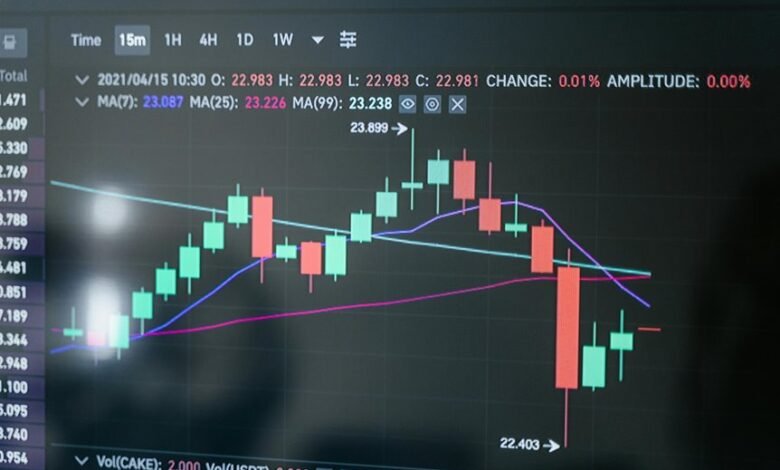
The integration of platform coordination and transaction monitoring is crucial for financial institutions. Unique identifiers like 907485 and 21630571 play a significant role in enhancing data integrity. They allow for precise tracking and analysis of transactions, which is essential for compliance with AML regulations. As institutions refine their communication strategies and implement standardized protocols, the implications for fraud detection and stakeholder trust become increasingly evident. What challenges might arise in this evolving landscape?
Understanding Transaction Monitoring Frameworks
Transaction monitoring frameworks serve as critical components in the financial regulatory landscape, designed to detect suspicious activities and ensure compliance with anti-money laundering (AML) regulations.
These frameworks assess various transaction types, employing sophisticated algorithms to evaluate risk. By systematically analyzing patterns and anomalies, they facilitate effective risk assessment, enabling organizations to safeguard their operations and maintain the integrity of financial systems while promoting individual freedom.
The Role of Unique Identifiers in Data Analysis
While the complexities of financial data analysis continue to grow, the implementation of unique identifiers has emerged as a vital mechanism for enhancing data integrity and facilitating precise tracking of transactions.
Unique identifiers serve as essential tools, ensuring that data remains accurate and verifiable. This precision not only fosters transparency but also empowers stakeholders to make informed decisions, safeguarding the integrity of financial operations.
Best Practices for Platform Coordination
How can organizations optimize platform coordination to enhance operational efficiency?
Effective platform alignment necessitates robust communication strategies that foster transparency and collaboration among teams.
By implementing standardized protocols and leveraging technology for real-time information sharing, organizations can significantly reduce miscommunication and streamline processes.
Regular feedback loops and cross-functional meetings further enhance adaptability, ultimately empowering teams to operate with greater autonomy and efficiency.
Case Studies on Effective Transaction Oversight
Numerous organizations have successfully implemented effective transaction oversight measures that significantly mitigate risks and enhance accountability.
A case study involving a financial institution demonstrated how real-time monitoring and a layered approval process reduced fraudulent activities.
Furthermore, another example from an e-commerce platform highlighted the importance of transparent auditing practices, allowing for swift identification of discrepancies and fostering trust among stakeholders in the marketplace.
Conclusion
In the intricate dance of financial oversight, one might ironically ponder whether the very identifiers designed to enhance clarity could instead serve as mere numbers lost in a sea of data. Yet, as institutions strive for transparency and compliance, these unique markers illuminate patterns often obscured by complexity. Ultimately, while the tools for monitoring may seem burdensome, they are essential in cultivating trust—a reminder that in finance, clarity often emerges from the chaos of numbers.